
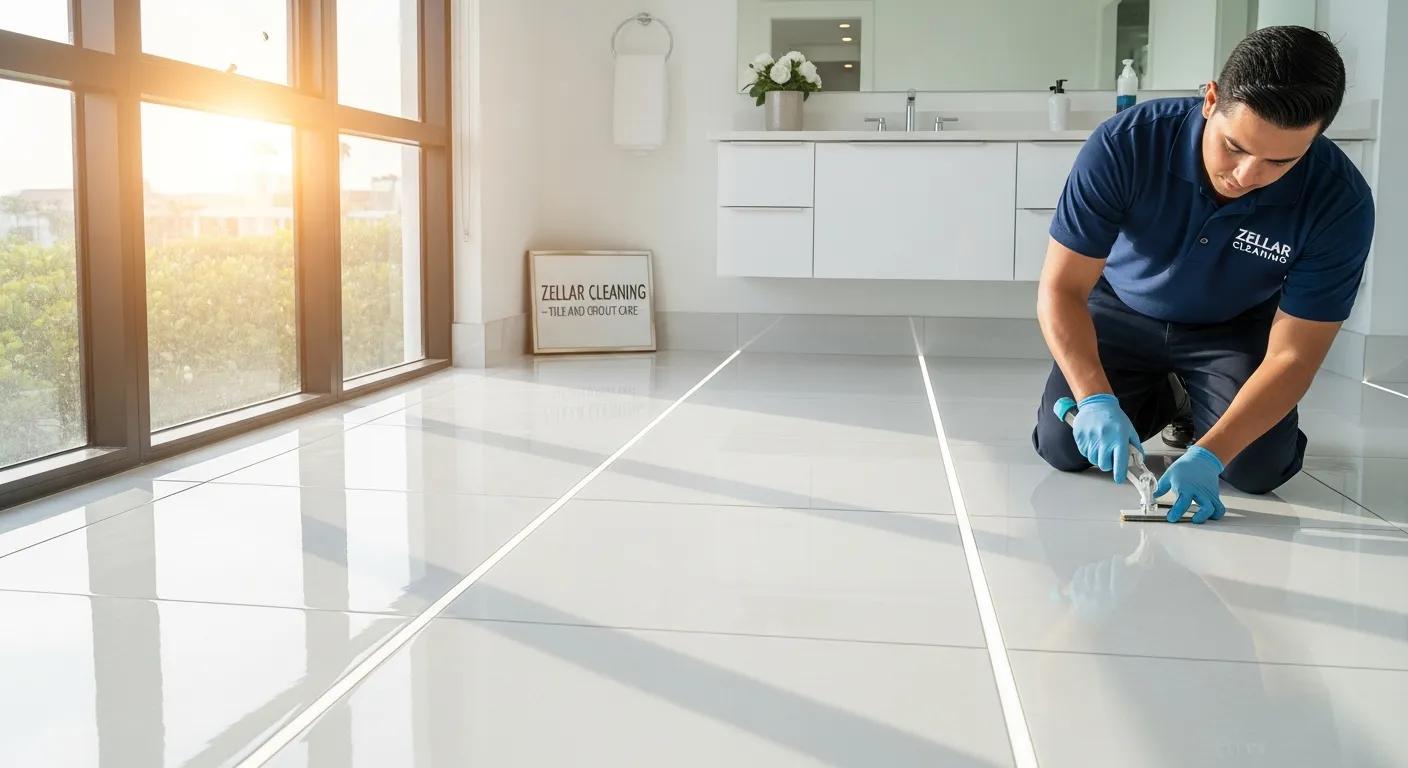
The Best Way to Clean Tile and Grout
Tile and grout cleaning does more than improve how floors look — it removes embedded dirt, oils, and biological growth that routine mopping often misses, lowering allergens and extending the life of hard floors. This guide lays out material-specific, practical cleaning steps, prevention strategies tailored to Miami’s humid, coastal climate, and clear guidance on when to call professionals for deeper restoration. Zellar Cleaning, a Miami-based team known for experienced technicians, advanced cleaning equipment, and eco-friendly, non-toxic products safe for family, pets, and the environment, provides professional tile cleaning as part of our restoration services with a customer satisfaction guarantee. Homeowners will learn to identify tile and grout types, pick the right green treatments, and follow routine maintenance to prevent recurring stains and mold. The article walks you through why hire a pro, an optimized step-by-step process, common problems and fixes, between-service maintenance, indoor air quality benefits of green cleaning, and a short FAQ with booking instructions and next steps — with local terms like grout cleaning tips, tile cleaning Florida, and grout sealing Miami included for easy discovery.
Table of Contents
- Why Choose Zellar Cleaning for Expert Tile and Grout Cleaning in Miami?
- What Is the Step-by-Step Tile and Grout Cleaning Process Used by Professionals?
- What Common Tile and Grout Problems Can Zellar Cleaning Solve?
- How Can You Maintain Clean Tile and Grout Between Professional Services?
- What Are the Benefits of Eco-Friendly Tile and Grout Cleaning in Miami?
- Conclusion
Why Choose Zellar Cleaning for Expert Tile and Grout Cleaning in Miami?
Professional tile and grout cleaning uses material-specific techniques and safety-minded chemistry to restore appearance and slow long-term wear. In Miami, high humidity and salt air speed grout discoloration and biological growth, so a tailored assessment and method selection are key to lasting results. Hiring an experienced provider reduces the chance of using incompatible cleaners on natural stone or fragile tiles and ensures follow-ups — like proper sealing — to protect surfaces. Zellar Cleaning pairs trained technicians, industry-grade cleaning tools, and eco-friendly, non-toxic products that protect indoor air quality and are safe for families and pets. Ready-to-act calls to action such as Book a Service or Get a Free Quote are supported by our 100% satisfaction guarantee.
Our approach balances modern equipment with green chemistry to treat a wide range of tile materials without unnecessary abrasives or harsh acids. That mix minimizes surface damage and chemical residues while extracting deep soils and allergens. The sections below outline technician expertise and the tangible health benefits of eco-friendly products.
What professional expertise does Zellar Cleaning offer for tile and grout?
Zellar Cleaning technicians follow a consistent workflow: a careful assessment, targeted pre-treatment, controlled agitation and extraction, and a final inspection to confirm results. Technicians identify tile type and grout makeup, choose compatible pre-treatments, and operate professional extraction and agitation tools to lift embedded soils safely. Advanced machines — rotary scrubbers and regulated hot water extraction units — speed soil removal while reducing dwell time for cleaning agents, which is important in occupied homes. This technical rigor produces reliable results across ceramic, porcelain, and sensitive natural stone and prepares surfaces for optional sealing or color restoration.
How do eco-friendly cleaning solutions benefit your home and family?
Non-toxic, biodegradable cleaners lower volatile organic compound (VOC) emissions and reduce chemical residues on floors, improving indoor air quality for people and pets. Enzymatic and oxygenated formulations break down organic soils without strong acids or harsh alkalis, which lowers irritation risk and shortens safe re-entry times after cleaning. In Miami’s humid climate, measured use of green biocidal approaches can control mold and mildew while avoiding harmful runoff. Choosing these products supports occupant health and local environmental goals — making green cleaning a responsible, practical choice.
What Is the Step-by-Step Tile and Grout Cleaning Process Used by Professionals?
A professional tile and grout cleaning workflow follows assessment → pre-treatment → agitation/deep cleaning → extraction → optional sealing → final inspection. This order verifies material compatibility, loosens soils with targeted eco-friendly chemistries, mechanically treats grout lines and textured tiles, extracts contaminants with hot water or high-efficiency vacuums, and applies sealers when appropriate to extend results. The organized sequence improves visual restoration and reduces how often intensive maintenance is needed. Below is an at-a-glance table that matches each step with supplies and expected outcomes to help homeowners decide.
The table below summarizes the professional steps and outcomes.
This table clarifies how each phase supports long-term tile health and gets floors ready for routine care that minimizes future heavy cleaning.
How is the initial tile and grout assessment performed?
The initial assessment documents tile material, grout type, and problem areas — stains, efflorescence, mold, or cracks — so technicians can target treatments and avoid mismatched chemistries. We check porosity on natural stone, confirm grout composition (sanded, unsanded, or epoxy), and use moisture readings to detect active water intrusion or drying needs. This diagnostic step determines whether steam, hot water extraction, enzyme cleaners, or mechanical restoration are right and whether sealing or regrouting will follow. A clear assessment reduces surprises and sets realistic expectations for restoration.
What eco-friendly pre-treatment methods loosen dirt and grime effectively?
Eco-friendly pre-treatments use enzyme-based cleaners, oxygenated powders, and biodegradable surfactants to break down organic matter, dyes, and light grease without corrosive acids. Enzymes target proteins and organic soils; oxygenated agents oxidize colored stains for easier extraction; surfactants suspend soils so extraction systems can remove them. Proper dwell time, controlled agitation, and material-compatibility checks ensure effective action without harming sensitive tile finishes or natural stone. Thorough rinsing and neutralization follow to avoid residues that attract soils later.
How does deep cleaning and extraction remove embedded contaminants?
Deep cleaning combines heat, pressure, mechanical agitation, and high-efficiency extraction to dislodge and remove contaminants trapped in grout pores and tile textures. Hot water extraction flushes with heated water and powerful suction to capture soil particles; rotary scrubbing agitates grout to release ingrained grime; vacuum extraction then lifts the suspended soils. This mix reduces allergen load and visible staining more effectively than surface cleaning alone and primes grout for sealing or recoloring. Professionals combine methods to respect materials and maximize extraction.
Why is grout sealing important for long-term protection?
Grout sealing creates a barrier that limits stain penetration, moisture intrusion, and microbial growth in porous grout lines, extending the life of any restoration. Impregnating sealers penetrate to repel water and oil without changing appearance; topical sealers leave a surface film that can add sheen or make cleaning easier. Reapplication depends on traffic and climate — in Miami’s humid coastal setting, impregnating sealers often need reapplication every 1–3 years in high-traffic zones. Proper sealing lowers the need for frequent deep cleans and supports routine maintenance.
What Common Tile and Grout Problems Can Zellar Cleaning Solve?
Typical tile and grout challenges include discolored grout lines, recurring mold and mildew in humid spots, and stubborn stains from oil, rust, or dyes that standard mopping won’t remove. Professionals identify root causes — traffic wear, surface residue buildup, moisture intrusion, or improper cleaning — and apply targeted fixes like deep extraction, whitening, colorant application, or selective regrouting. Many issues respond well to professional care, though structural moisture or severely degraded grout may need restorative work beyond cleaning. The table below contrasts common problems, likely causes, and professional remedies that deliver dependable results.
This comparison helps homeowners decide when to try DIY steps and when to call in specialized restoration work for durable outcomes.
How to address discolored and stained grout lines?
Grout discoloration often comes from surface soils, oxidized residues, or staining of the grout matrix. Effective restoration starts with deep cleaning to judge how much discoloration remains. Professionals apply eco-friendly oxidizers or whitening agents to remove surface stains, then evaluate whether recoloring or regrouting is needed for a lasting fix. For severe or uneven wear, approved colorants or selective regrouting restore uniformity and strength. Avoid abrasive scrubbing or harsh acids, especially on colored grout or natural stone, to prevent permanent harm.
What are the best methods for mold and mildew removal on grout?
Removing mold and mildew in humid climates emphasizes safe biocidal treatments, thorough extraction, and moisture control to stop recurrence. Technicians use eco-conscious biocides or enzyme blends that break down fungal matter, paired with agitation and extraction to remove spores and nutrients from grout pores. Prevention follows remediation: improve ventilation, use dehumidifiers where needed, and apply a sealer to make surfaces less hospitable. If mold is widespread or tied to structural moisture, professional remediation and investigation of the moisture source are required.
How can stubborn tile stains be effectively removed?
Stain removal begins with accurate identification — oil-based, dye-based, rust, or mineral deposits — since each needs different chemistry and mechanics. Oil and grease respond to emulsifiers plus warm extraction; dye stains often need oxygen-based oxidation; rust requires chelators applied carefully to avoid glaze damage. Natural stone demands gentle, pH-neutral methods and professional assessment to prevent etching. If stains have penetrated the substrate or survive safe attempts, restorative steps like honing, poultices, or professional refinishing may be recommended.
How Can You Maintain Clean Tile and Grout Between Professional Services?
Routine maintenance keeps tile and grout looking fresh and stretches the time between professional visits by preventing soil buildup and moisture-related growth. Simple daily and weekly steps — dry mopping, spot-treating spills, and using pH-neutral, biodegradable cleaners — remove contaminants before they enter grout pores. Miami homes face extra humidity, so improving ventilation and periodic dehumidification in bathrooms and laundry areas helps control mold. The maintenance schedule below shows recommended frequencies and safe cleaner types for common tile materials.
This schedule balances everyday care with professional services to preserve appearance and performance over time.
What are the best eco-friendly daily cleaning tips for tile and grout?
Daily habits that reduce abrasion and chemical exposure include sweeping or dry mopping to remove grit, spot-cleaning spills right away, and using diluted pH-neutral cleaners for routine mopping to avoid residue. Microfiber mops lift soils with minimal water, lowering moisture that can encourage mold. Avoid acidic or bleach-based cleaners on natural stone and colored grout to preserve finishes. For homes with pets and kids, choose biodegradable enzyme or oxygen-based products labeled safe for indoor use to limit VOCs and residues. Consistent habits prevent gradual buildup that leads to heavy professional restoration.
- Intro: Simple daily actions preserve tile finishes and reduce the need for deep cleaning.
- Best practices include the following:
- Sweep or dry-mop daily to remove abrasive grit that accelerates wear.
- Spot-clean spills immediately with a pH-neutral cleaner to prevent staining.
- Use microfiber mops and minimal water to limit moisture buildup in grout.
- Avoid acidic or bleach cleaners on natural stone and colored grout to prevent damage.
Keeping these habits cuts stain risk and lengthens the time between professional cleanings, making long-term floor care easier.
How often should tile and grout be professionally cleaned in Miami’s climate?
A baseline professional cleaning every 12–18 months fits many homes, but Miami’s humidity, household size, and foot traffic can require more frequent service in bathrooms, entryways, and kitchens. Homes with pets, young children, or heavy traffic often benefit from annual or semi-annual deep cleaning and grout care to control allergens and prevent lasting stains. Seasonal events — after summer humidity spikes or hurricane-season salt exposure — also justify proactive attention to protect seals and grout integrity. Regular professional maintenance reduces cumulative wear and preserves floor value cost-effectively.
What Are the Benefits of Eco-Friendly Tile and Grout Cleaning in Miami?
Eco-friendly tile cleaning lowers occupant exposure to harsh chemicals while delivering effective restoration and protecting local waterways from runoff. Green cleaning relies on enzyme, oxygen, and biodegradable surfactant chemistries that break down soils without lingering harmful residues, improving both immediate and long-term indoor air quality. For coastal Miami homes, non-toxic products shrink the environmental footprint and match local preferences for sustainable services. Below are the primary benefits at a glance.
- Improved indoor air quality: Lower VOCs and fewer irritating fumes during and after cleaning.
- Family and pet safety: Reduced chemical residues make floors safer for children and animals.
- Environmental protection: Biodegradable chemistries minimize harmful runoff and ecological impact.
These benefits make eco-friendly cleaning a practical priority for homeowners who want both performance and safety; when combined with correct sealing and care, it supports long-term material preservation.
How do non-toxic products improve indoor air quality and safety?
Non-toxic cleaners generally have lower VOCs and avoid harsh oxidizers or strong acids, reducing airborne irritants during application and shortening safe re-entry times. By minimizing persistent residues, these products also lower chronic exposure risks for sensitive people and pets and reduce lingering odors that signal trapped chemicals. Practical outcomes include fewer respiratory irritations and safer use in occupied homes — especially important in humid spaces with limited ventilation. Choosing labeled biodegradable, low-VOC products aligns cleaning performance with healthier indoor air.
Why is eco-friendly cleaning preferred by Miami homeowners and businesses?
Miami residents and businesses increasingly choose sustainable services that protect health and the coastal environment. Eco-friendly tile cleaning answers that demand while delivering professional results. Commercial clients benefit from lower chemical exposure for staff and customers and can meet regulatory and consumer expectations for greener operations. Residential customers appreciate deep extraction and proper sealing combined with a smaller environmental impact and safer spaces for children and pets. This shift drives demand for providers who combine technical skill with green chemistry.
Frequently Asked Questions
What types of tile and grout materials are commonly found in Miami homes?
Miami homes typically use a mix of ceramic, porcelain, natural stone (marble, granite), and terracotta. Each material has different properties and care needs. Ceramic and porcelain are popular for durability and easy upkeep; natural stone looks beautiful but needs gentler handling because it’s porous. Knowing your specific tile and grout type is key to choosing the right cleaning and maintenance approach for lasting results.
How can I prevent mold and mildew growth in my tile and grout?
Prevent mold and mildew by keeping high-humidity areas well ventilated — use exhaust fans during and after showers and consider a dehumidifier in damp spaces. Clean and dry surfaces regularly to remove moisture and organic matter that feed mold. Applying a quality grout sealer adds a moisture barrier that makes it harder for mold and mildew to take hold in grout lines.
What are the signs that my grout needs to be sealed?
Signs your grout needs sealing include visible discoloration, a rough or porous texture, stains that won’t come out, or water soaking in instead of beading on the surface. If you see mold or mildew appearing repeatedly in grout lines, it’s also a hint that the seal has worn off. Regular checks help preserve appearance and prevent damage.
Can I use bleach to clean my grout?
Bleach can whiten and disinfect, but it’s not recommended for grout — especially colored or natural stone grout. Bleach can weaken grout and cause discoloration over time. Choose eco-friendly, enzyme-based cleaners made for grout instead; they’re safer for materials and the environment and still effective.
How do I choose the right professional cleaning service for my tile and grout?
When picking a professional, look at experience, reviews, and the methods they use. Prefer companies that offer eco-friendly solutions and can explain their assessment process, equipment, and guarantees. A reputable provider will answer questions clearly and offer a satisfaction guarantee for the work performed.
What maintenance tips can help extend the life of my tile and grout?
Extend tile and grout life with a regular routine: sweep or dry mop to remove debris, spot-clean spills immediately, and use pH-neutral cleaners for mopping. Avoid harsh chemicals that damage grout. Schedule professional cleanings every 12–18 months for most homes, and reseal grout every few years as needed. These steps help maintain appearance and durability.
Conclusion
Keeping tile and grout clean improves how your floors look and helps them last longer while supporting a healthier indoor space. Choosing eco-friendly products and professional services lets you tackle stains, mold, and allergens without sacrificing safety. Regular care plus timely professional intervention keeps surfaces in top condition. Contact Zellar Cleaning to schedule expert tile and grout care and see the difference for yourself.